
You have done the classes. You have watched the waitlists fill, and the studios charge £25 a session without a spare reformer in sight. You have run the numbers in your head and thought: I could do this. Then you sit down to actually research startup costs and find yourself reading figures in dollars, generic "pilates studio" overviews that treat a mat class and a reformer studio as the same thing, or blog posts that offer one vague range and move on.
What most of those guides miss is the part that sinks studios in months two and three. It is not the equipment cost. It is the gap between what owners budgeted and what they actually spent on fit-out, deposits, and the months before membership revenue stabilises. That gap is where plans fall apart.
This guide gives you current, GBP-denominated numbers across every cost category relevant to opening a reformer Pilates studio in the UK in 2026, so you can build a budget that holds before you sign anything.
Key Takeaways
Budget £90,000–£110,000 for a realistic mid-range studio (full range: £70,000–£150,000)
Lease deposit + fit-out is almost always the largest cost block, not equipment
Buy commercial-grade reformers only, cheaper units cost more over time
Ring-fence £12,000–£30,000 for three months of operating costs before you open
Negotiate 3–6 months rent-free during fit-out, it is a standard ask and routinely worth £7,500–£20,000
Start with 8 reformers, not 12. Fill them first, then expand
119 studio owners surveyed underestimated startup costs by 20–35%, almost always in fit-out and operating reserves
Month-one revenue rarely covers month-one costs, that is normal, not failure
What Does It Actually Cost to Open a Reformer Pilates Studio in the UK?
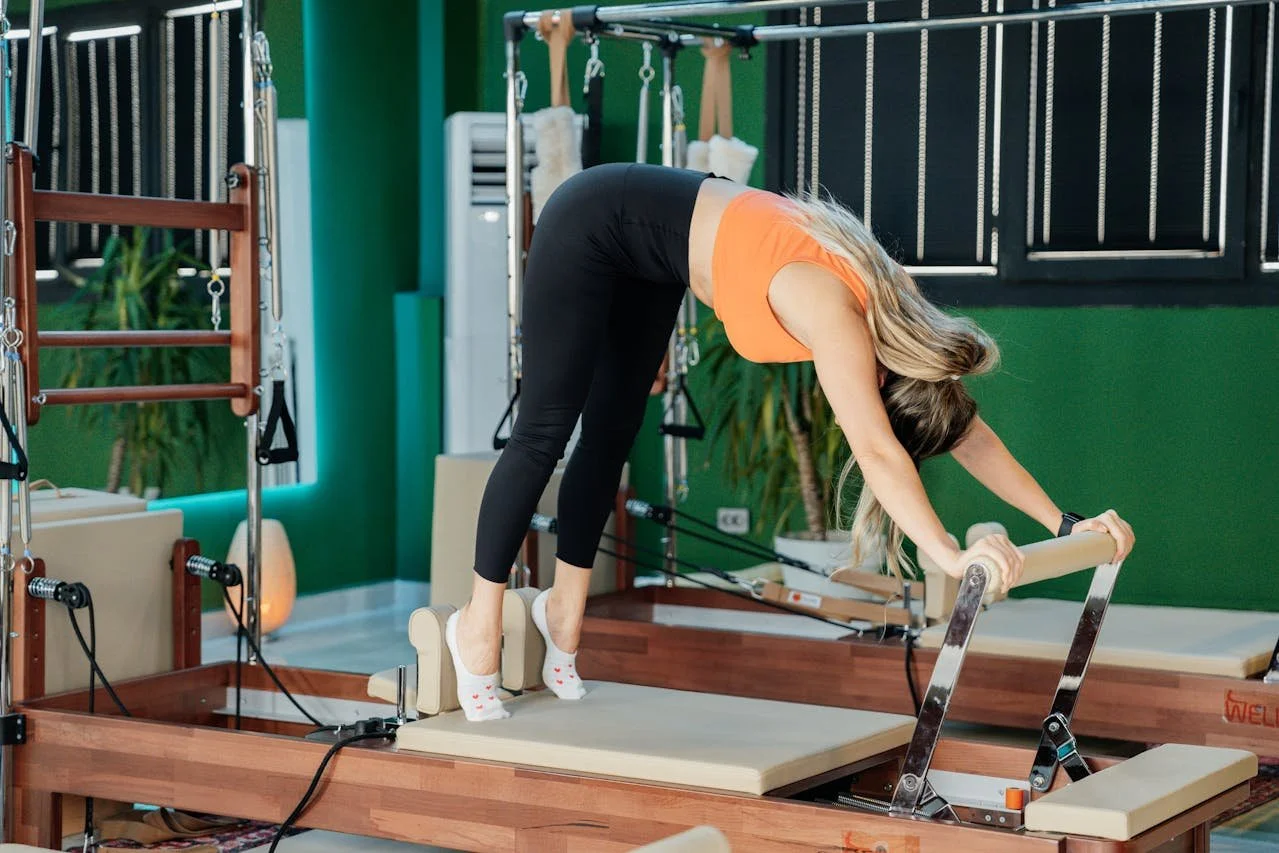
A fully equipped independent reformer Pilates studio in the UK typically requires between £70,000 and £150,000 to open. Most realistic mid-range budgets land at £90,000–£110,000, assuming eight to twelve reformers, a 1,000–1,600 sq ft space, and three months of operating capital held in reserve.
That range moves significantly based on three variables: where you are, what condition the space is in when you take it on, and whether you buy new or used equipment. A well-located Manchester studio and a Zone 2 London studio are not the same proposition financially, even if the reformers cost the same.
The table below covers every major cost category for a typical independent studio in 2026. These are not best-case figures. They reflect what studio owners in the UK are actually spending.
| Cost Category | Low (£) | High (£) | Notes |
|---|---|---|---|
| Reformer beds (8–12 units) | £10,000 | £40,000 | £1,200–£3,500 per commercial-grade unit |
| Ancillary equipment and accessories | £2,000 | £6,000 | Mats, props, grip socks, storage |
| Studio fit-out (flooring, mirrors, lighting, HVAC, signage) | £15,000 | £35,000 | Highly variable by condition at handover |
| Lease deposit (3–6 months rent) | £5,000 | £20,000 | Paid upfront before trading begins |
| Legal fees (lease review, business setup) | £1,500 | £4,000 | Use a solicitor with commercial property experience |
| Insurance (public liability, employers', contents) | £800 | £2,000 | Annual premium |
| Booking software — first year | £600 | £2,400 | £50–£200/month for platforms such as Mindbody or TeamUp |
| Branding, website, and launch marketing | £2,000 | £6,000 | Pre-opening waitlists reduce month-one pressure substantially |
| Instructor onboarding and pre-opening payroll | £2,000 | £6,000 | Including any instructor training and qualification costs |
| First 3 months operating costs (rent, wages, utilities) | £12,000 | £30,000 | The most commonly underfunded category |
| Contingency (10–15%) | £5,000 | £15,000 | Fit-outs run over. Budget this unconditionally. |
| Total estimated range | £56,000 | £166,000 | Mid-range realistic budget: £90,000–£110,000 |
Equipment: The Cost That Compounds If You Get It Wrong
The reformer bed is what your clients touch, photograph, recommend, and complain about. It is also the asset that either holds its value or quietly drains your maintenance budget for years. Getting this decision wrong does not show up immediately. It shows up at month eight, when springs are failing, and you are mid-class.
Commercial grade is not optional. Residential reformers, built for one or two uses a day at home, are not engineered for the 40 to 60 sessions a studio puts them through daily. Frames loosen. Tracks scratch. Springs lose tension unevenly. A unit that costs £800 and needs replacing in 18 months has cost more than a £2,500 commercial bed that runs for a decade. The reformer beds available are usually specified for studio use, worth comparing against what local distributors are quoting before you commit.
For a detailed breakdown of what separates residential from studio-grade specifications, the equipment specification guidance can be a useful reference before you approach distributors.
Starting with eight reformers is the right call for most studios. Eight beds in a class of eight creates a tighter atmosphere that founding members value, and it gives you utilization data before you invest in expansion. Most studios that open with twelve and fill six are carrying dead capital from day one. Our studio bundle packages include accessories and an ancillary kit, which simplifies procurement when you are managing a dozen other decisions at once.
Accessories add up faster than owners expect. Grip socks, blocks, resistance bands, headrest covers, and storage systems are individually small. Collectively, budget £250–£500 per reformer in supporting kit. Studios can boost revenue by retailing grip socks and accessories, adding meaningful margin without scheduling any extra classes. Our accessories range offers retail-ready products designed specifically for easy resale in studios.
Watch out for: Buying used reformers without a full condition report. Worn springs are invisible until they fail mid-session. If you go second-hand, budget £150–£300 per unit for a professional service check before opening.
Lease and Fit-Out Costs for a UK Reformer Studio (Where Budgets Break)
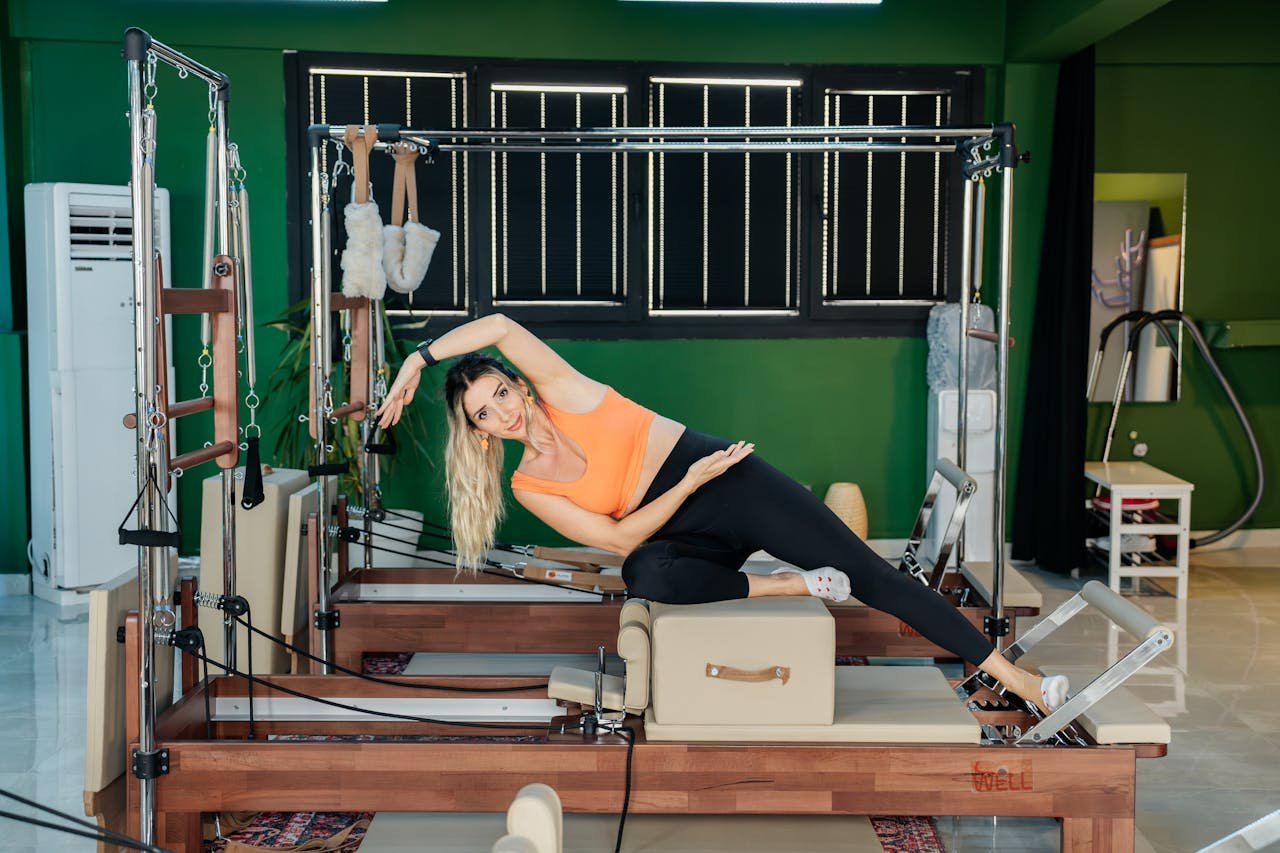
Rent deposit and fit-out combined are almost always the largest single cost block, yet most startup guides spend three paragraphs on equipment and two sentences on the lease. This is the wrong ratio. The lease is the decision that determines your financial ceiling for the next five to ten years.
The cheapest space is rarely the cheapest decision. A basement unit at 30% below market rent sounds sensible until you account for the additional marketing spend required to drive footfall to a non-visible location. Over three years, that saving frequently cost more than the rent differential. Location type, high street visibility versus destination studio, shapes your entire customer acquisition cost, and that cost does not appear on your startup spreadsheet.
Understand the condition you are taking the space in. Commercial leases hand over spaces in wildly different states. A shell space with bare concrete and no HVAC is a different proposition from a stripped former retail unit with basic infrastructure in place. The difference between those two scenarios is £10,000–£20,000 in fit-out costs. Ask for the Schedule of Condition before any heads of terms are agreed, and have a solicitor review the full lease, not just the rent and term.
Current commercial rent benchmarks for fitness studio spaces in the UK in 2026:
London (Zone 2–3): £30–£60 per sq ft per year
Manchester, Birmingham, Bristol city centers: £18–£35 per sq ft per year
Smaller cities and commuter towns: £10–£20 per sq ft per year
A 1,200 sq ft studio in Bristol at £28 per sq ft costs £33,600 per year in base rent, £2,800 per month, before rates, service charges, and utilities. The deposit at five months' rent is £14,000, payable before you have served a single class.
Fit-out costs for a reformer studio are driven by sprung or luxury vinyl flooring, mirrors, acoustic treatment, lighting, ventilation, and front-of-house finish. A mid-spec fit-out in a space that does not require significant structural work runs £20–£30 per sq ft in 2026. Attempting to open on less than £15 per sq ft is possible but usually results in phased remedial spending across the first year, which disrupts operations and typically costs more in total.
Pro tip: Negotiate a rent-free period as part of your lease. Three to six months rent-free during fit-out is a standard and reasonable ask, particularly where a unit has been vacant. This one negotiation is routinely worth £7,500–£20,000 and costs nothing to request.
The Three Months Nobody Budgets For
This is the pattern that plays out across the boutique fitness sector with regularity. A studio owner raises £80,000, spends £72,000 on equipment and fit-out, opens to strong early interest, and hits a cash-flow wall in month two because memberships are building, but the fixed costs, rent, wages, and utilities are already running.
Month-one revenue rarely covers month-one costs. Not because the studio is failing. Because the lead time between opening, selling memberships, and that revenue appearing in your account is typically four to six weeks. Add the time to reach meaningful capacity, and the first three months are almost always a net cost, regardless of how good the product is.
What to hold in reserve before you open:
Rent and rates: £6,000–£18,000 depending on location
Instructor wages: £4,000–£12,000 (depending on whether you are teaching yourself or hiring from day one)
Utilities, software, and consumables: £1,500–£4,500
Ongoing marketing to sustain acquisition after the launch spike: £1,500–£3,000
Snagging and minor fit-out remedials: £500–£2,000
That is £12,000–£30,000 that needs to be in your bank account before you open, not earned from the studio once it is trading. Studios that open without this buffer are not running lean. They are running a countdown.
According to the Reformer Pilates survey of 119 reformer studio owners, most underestimated total startup costs by 20–35%. The shortfall almost always sat in fit-out overruns, and this exact operating cost gap.
What the First 90 Days Look Like in Practice
At 30 days, a well-prepared studio should have converted its pre-opening waitlist into founding members, have an introductory offer generating cash flow, and be running a timetable at 40–50% capacity. Most studios at this point are still net negative each month. That is normal.
At 60 days, if the acquisition is working, class utilization should approach 55–65%. Recurring membership revenue starts to feel real. This is typically where founding member pricing closes, and standard pricing begins. Clients who joined early are now your most vocal advocates, or your first wave of churn, depending on the experience you delivered in week one.
At 90 days, the picture is clear. Studios at 70%+ utilization on a ten-reformer timetable are typically covering costs and beginning to generate margin. Those sitting below 50% need to revisit one of three things: pricing, timetable structure, or the acquisition channel that is actually driving bookings. Browsing our UK studio directory gives a useful sense of the competitive density in your target city before you commit to a location.
The most common reason studios miss 70% utilization by month three is that they spent their entire marketing budget in launch week rather than distributing it over 90 days. A launch spike that fades is not momentum. It is a one-time event with a hangover.
Conclusion
The honest answer to how much does it cost to open a reformer Pilates studio in the UK is: budget £90,000–£110,000 for a sensible mid-range studio, keep £25,000–£30,000 of that ringfenced for operating costs before revenue stabilizes, and do not let equipment decisions eat into that buffer. The studios that fail are rarely the ones with the wrong concept. They are the ones that opened with enough to launch but not enough to last.
Browse commercial reformer beds and studio bundles on Reformer Pilates, or book a meeting with the team to talk through your equipment requirements before you sign a lease.
Frequently Asked Questions
How much money do I need to open a Pilates studio in the UK?
For a reformer Pilates studio with eight to twelve beds, plan for a total investment of £70,000–£150,000 depending on location, fit-out condition, and equipment specification. A realistic mid-range budget for an independent studio in 2026 is approximately £90,000–£110,000, including three months of operating capital held in reserve.
What is the 80/20 rule in Pilates?
In a studio business context, the 80/20 rule refers to the pattern where roughly 80% of revenue comes from 20% of clients, typically those on recurring memberships or committed block packages. For studio owners, this means converting first-time clients into members is a higher-value activity than maximizing drop-in volume.
How profitable is a reformer Pilates business?
A reformer Pilates studio with 10 beds at 70% utilization across a standard timetable can generate £15,000–£25,000 in monthly revenue. After rent, instructor wages, software, and operating costs, net margins for well-run independent studios typically sit between 20–35%, translating to £3,000–£8,000 per month in owner earnings or retained profit. Furthermore, this guide to opening a Pilates studio covers the foundational decisions worth revisiting before you open.
How much money does it take to start a Pilates studio?
The minimum viable budget for a small UK reformer studio, six to eight beds, a modest fit-out, and a secondary location, is approximately £55,000–£70,000. A budget of £85,000–£110,000 provides enough runway to open professionally, market consistently, and reach self-sustaining occupancy before working capital runs out.

Author
KARL KNIGHTS
Leading commercial operations for Reformerpilates.com. A pioneering platform transforming the global Reformer Pilates industry. Our mission is to revolutionise how studios, instructors, and enthusiasts connect, creating a vibrant community and driving business growth in the rapidly expanding wellness market.