
Reformer Pilates vs Mat Pilates vs Yoga: Which One Should You Do?
Most people come to this decision having already spent too long scrolling class options and reading conflicting advice. The real problem is that most guides stop at listing features. They miss the thing that actually matters: how each method builds your body differently.
Below is a clear breakdown of all three, with honest guidance on which one fits your situation. If you want to explore studios and class options, the Reformer Pilates community is a good starting point.
Key Takeaways
Reformer Pilates offers the broadest benefits: strength, rehabilitation support, and beginner-friendly progression.
Mat Pilates is a practical, lower-cost option for those with a solid body awareness baseline.
Yoga leads on flexibility and stress reduction, but is not a rehabilitation tool.
For body composition change, the spring resistance of the reformer creates a stronger training stimulus than either yoga or mat work.
These three are not competing choices. Many practitioners combine all three for a well-rounded routine.
What Each Practice Actually Does
Reformer Pilates
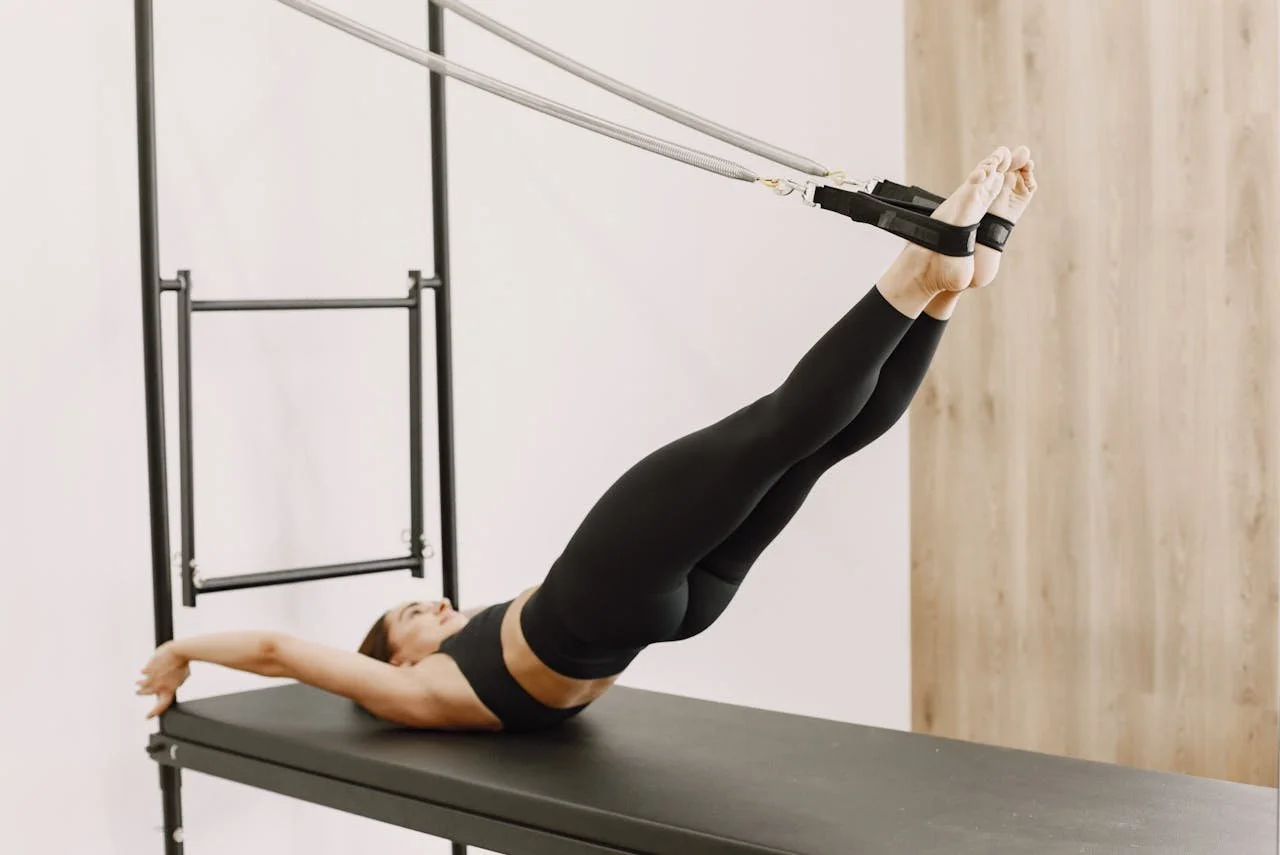
Uses a spring-loaded sliding carriage to create variable resistance throughout movement. Your muscles work under load across their full range of motion, which is why reformer Pilates became the standard in physiotherapy and post-surgical rehabilitation before it became a boutique fitness category.
Classes typically run 50 minutes. Cost: £20 to £35 per session in the UK, $25 to $45 in the US. You might also have to invest in accessories and apparel, so that can count as an additional cost too.
Mat Pilates
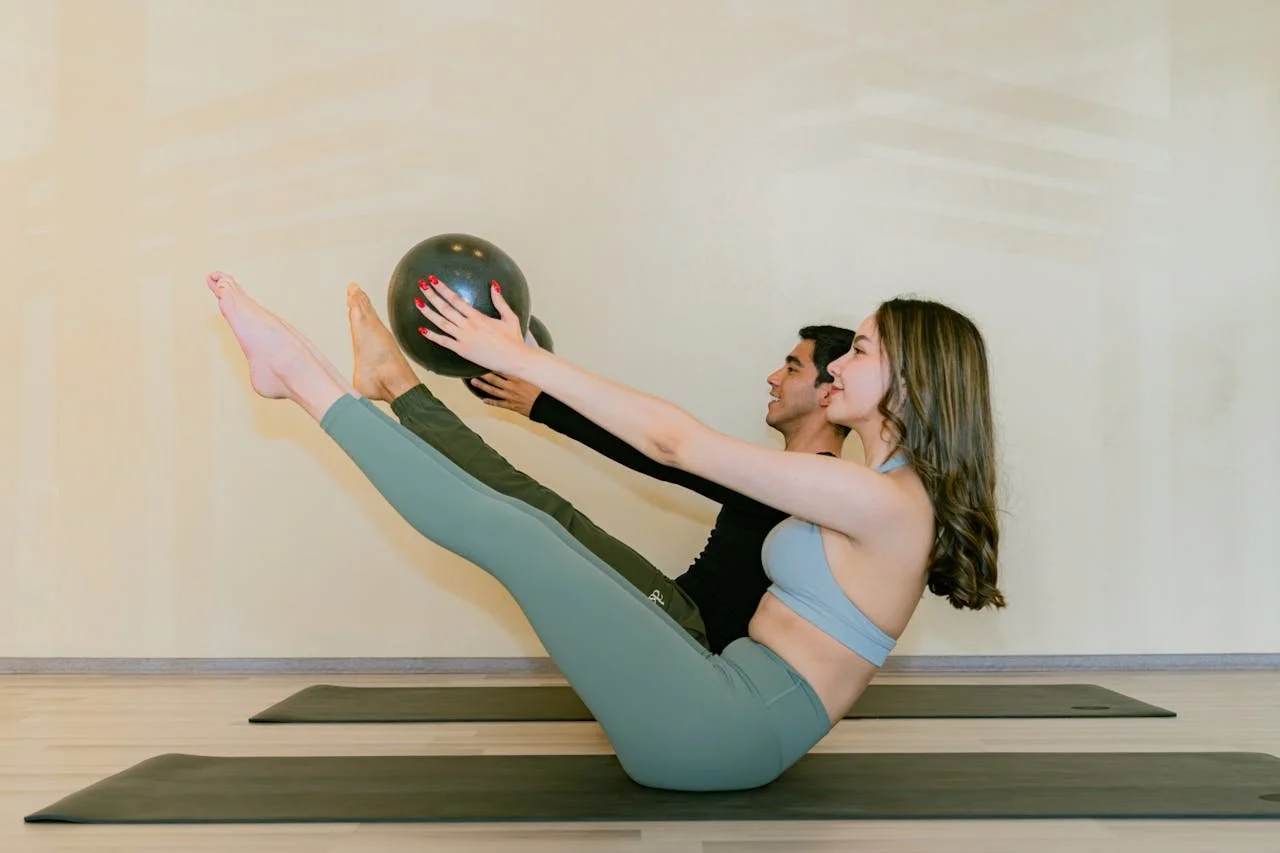
Uses bodyweight only, with the same fundamental movement vocabulary as the reformer but without machine support or spring resistance. This makes certain exercises harder for beginners, while making home practice far more accessible.
A mat class or online subscription costs a fraction of reformer, and you need nothing more than a mat.
Yoga
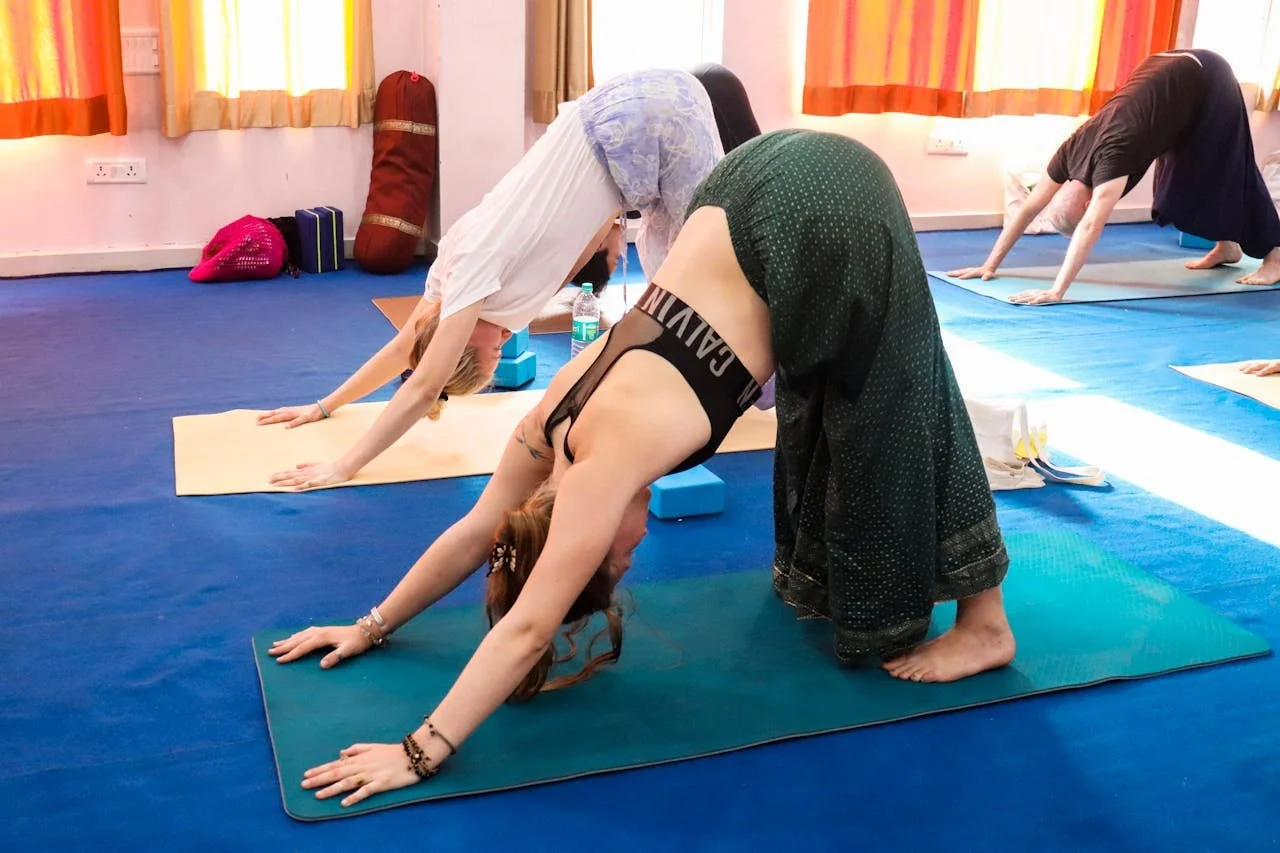
A system that predates modern exercise science by thousands of years. The physical practice most people are referring to (Hatha, Vinyasa, Yin) emphasises flexibility, breath, and static or flowing positions. Unlike Pilates, yoga does not originate from a rehabilitation or strength context, though many styles have evolved to include real strength demands. Classes vary enormously by style.
Side-by-Side Comparison
| FEATURE | REFORMER PILATES | MAT PILATES | YOGA |
|---|---|---|---|
| Equipment | Reformer bed (studio or home) | Mat only | Mat only |
| Cost per class | £20-£35 / $25-$45 | £5-£15 / $10-$20 | £8-£20 / $12-$25 |
| Home-friendly | Possible but expensive | Yes | Yes |
| Best for strength | ★★★★★ | ★★★☆☆ | ★★★☆☆ |
| Best for flexibility | ★★★★☆ | ★★★☆☆ | ★★★★★ |
| Best for rehabilitation | ★★★★★ | ★★★★☆ | ★★☆☆☆ |
| Best for weight loss | ★★★★☆ | ★★★☆☆ | ★★★☆☆ |
| Beginner-friendly | ★★★★★ | ★★★☆☆ | ★★★★☆ |
| Mind-body depth | ★★★☆☆ | ★★★☆☆ | ★★★★★ |
| Class format | Studio, small group or 1-2-1 | Studio or online | Studio, outdoor or online |
Reformer Pilates vs Mat Pilates: Why the Machine Changes Everything
Both are Pilates. Both use the same foundational principles developed by Joseph Pilates in the early 20th century: core control, spinal alignment, breathing, and precise movement. But the reformer fundamentally changes the training stimulus.
On a mat, gravity is your only load. If you are not yet strong enough to control your own bodyweight, you will either compensate with the wrong muscles or fail the movement. The reformer removes that problem. Spring resistance lets an instructor create precisely the right assistance or challenge at every stage of movement.
Take the footwork series. On the reformer, lying supine and pressing the carriage away through the feet, you can target the posterior chain through a controlled, loaded range of motion from session one. Someone recovering from a knee injury builds strength around the joint safely because load and range are both manageable. There is no mat equivalent that achieves the same outcome.
That said, mat Pilates develops something the reformer does not: the ability to create your own stability without external support. Experienced mat practitioners often develop exceptional body awareness as a result. Many reformer instructors recommend a mix of both for this reason.
Reformer Pilates vs Yoga: Strength and Control vs Flexibility and Stillness
Yoga's primary physical demand is flexibility and the ability to hold positions under breath control. Advanced yoga is genuinely demanding from a strength standpoint, particularly the arm balances of Ashtanga or the sustained holds of Iyengar.
But most yoga classes prioritise range of motion over progressive loading, which means they develop a different kind of body than Pilates does.
Reformer Pilates trains strength, length, and control simultaneously. The spring resistance creates eccentric loading: muscles work as they lengthen. This is the mechanism behind the long, lean muscle tone reformer is known for, and it is physiologically distinct from static stretching.
Where yoga clearly leads is the mental and meditative dimension. Yin, Restorative, and Hatha create a depth of parasympathetic nervous system activation that a reformer class does not replicate. If stress reduction is a primary goal, yoga's emphasis on breath and stillness is hard to beat.
For body composition, injury rehabilitation, and long-term musculoskeletal health, reformer Pilates has a more direct mechanism of action. It progressively loads the body in ways yoga does not, and a qualified reformer instructor can modify every exercise for your specific limitations.
Which Is Best for Body Composition and Weight Loss?
None of these three will produce meaningful weight loss without dietary changes. All three can contribute to a calorie deficit, with reformer Pilates recruiting more total muscle mass due to its resistance component.
Reformer Pilates generally burns more calories than a mat class or gentle yoga, and increased lean muscle mass raises resting metabolic rate over time, giving reformer a longer-term metabolic advantage over both alternatives.
If body composition is your primary driver, reformer edges ahead. Small-group studio classes offer instructor attention without the cost of private sessions.
Which One Is Best for Rehabilitation and Injury Recovery?
Reformer Pilates. This is not close.
The spring resistance can be dialled down to almost nothing, allowing people recovering from surgery, chronic pain conditions, or acute injuries to move without fear of loading a compromised structure. Physiotherapists and sports medicine clinicians regularly refer patients to reformer Pilates as part of structured rehabilitation programmes.
Mat Pilates comes second. Exercises can be modified, and a skilled instructor can build a programme around a specific injury. But the lack of resistance variability limits what is possible compared to the reformer.
Yoga is not a rehabilitation tool. It can complement recovery once function is regained, and restorative yoga can help with pain management. But recommending yoga as primary rehabilitation for a disc bulge or post-partum diastasis recti would not align with current physiotherapy guidance.
Who Should Choose Which
Choose Reformer Pilates if you want measurable strength improvements, are recovering from injury, want instructor-guided progression, or are new to structured movement and want something that adapts to your body rather than demanding your body adapts to it.
Choose Mat Pilates if budget or studio access is a genuine barrier, you already have a solid foundation in body awareness, or you want to supplement reformer sessions at home.
Choose Yoga if stress reduction and flexibility are the primary goals, you are drawn to the meditative dimension of movement, or you want a practice you can do anywhere at no cost.
The honest answer for most people is that these are not competing choices. Many practitioners who do reformer Pilates also maintain a yoga or mat practice.
For most people choosing one as their primary investment of time and money, reformer Pilates delivers the broadest returns.
Explore the studios near you and use the ReformerPilates.com community to find the right fit before you commit to a membership.
Frequently Asked Questions
Is Pilates good for high cortisol?
Yes. Low-to-moderate intensity Pilates activates the parasympathetic nervous system and can reduce cortisol with consistent practice. It is a more restorative stimulus than high-intensity training, which can spike cortisol further.
Will Pilates help with bone density?
Reformer Pilates involves resistance-based loading which can support bone density maintenance. For osteoporosis prevention, weight-bearing and impact exercise also plays a role. Always consult a healthcare professional for specific medical guidance.
Is mat Pilates better than reformer Pilates?
No, for most people. Mat is more accessible and cheaper, but the reformer offers greater resistance variability, better beginner and rehabilitation support, and a wider exercise range. Mat work is a strong complement to reformer training, not a superior alternative.
Is reformer Pilates better than yoga?
For strength, injury recovery, and body composition, yes. For flexibility, stress reduction, and meditative depth, yoga holds its own. They are different tools. If choosing one and your goals are physical, reformer wins.
Can I do reformer Pilates at home?
Yes, though a quality home reformer is a real investment. For beginners, starting in a studio with a qualified instructor produces better results faster. Browse vetted studio options at ReformerPilates.com.
How often should I do reformer Pilates to see results?
Two to three sessions per week is the standard starting point. Most people notice changes in strength and body composition within six to eight weeks. Consistency matters more than intensity early on.

Author
KARL KNIGHTS
Leading commercial operations for Reformerpilates.com. A pioneering platform transforming the global Reformer Pilates industry. Our mission is to revolutionise how studios, instructors, and enthusiasts connect, creating a vibrant community and driving business growth in the rapidly expanding wellness market.