
UK Pilates Studio Owner Salary: Real 2026 Numbers
You've spent two years in reformer classes, you know the community, and the thought has finally crystallised: I could do this. But every salary guide you find quotes US dollars, American rents, and American client habits. None of it maps onto Bristol, Edinburgh, or South Manchester.
This article fixes that, using data from our survey of 119 UK reformer pilates studio owners.
Key Takeaways
Boutique reformer studios typically generate £200,000 to £400,000 in annual turnover, with net margins up to 20% when well managed
Home-based studios earn £30,000 to £80,000 in turnover but often achieve stronger margins (10% to 30%) due to lower overheads
93% of new clients come through word-of-mouth, meaning the client experience is your most important marketing channel
46% of studio owners cite instructor quality as their biggest business challenge
Two studios with identical schedules and similar postcodes can produce wildly different profits. The differentiator is financial management, not teaching quality
Profit is not a function of turnover alone. A £350,000-turnover studio with poor cost controls can net less than a £60,000 home studio
UK Pilates Studio Earnings by Studio Type
Boutique Reformer Studios (Leased Space, 800 to 2,000 sq ft)
These studios typically generate £200,000 to £400,000 in annual turnover. Net profit can reach 20% when the business is well run. When it is not, the same studio can post a net loss.
That is not an exaggeration. One owner running a 1,200 sq ft studio can turn a loss while a competitor across town in similar premises generates £80,000 net profit. Same market, same product, different outcomes.
For context: across the broader UK fitness industry, net profit margins of 5% to 15% are considered healthy. A boutique reformer studio at 20% is genuinely attractive as a business — if you can reach it.
Home-Based Studios (Dedicated Space, 300 to 700 sq ft)
A home studio with two to four reformers and a solo instructor-owner sits in a different bracket. Turnover ranges from £30,000 to £80,000 annually, but net margins can stretch from 10% to 30% because commercial rent is eliminated and the client list is often smaller but higher-priced.
Two instructors running broadly comparable home studios can produce vastly different outcomes: one earns £3,000 in annual profit on top of teaching income; the other earns £25,000 from the same setup. The difference is how the business is run, not how good the teaching is.
What Actually Moves These Numbers
Rent: The Biggest Risk to Viability
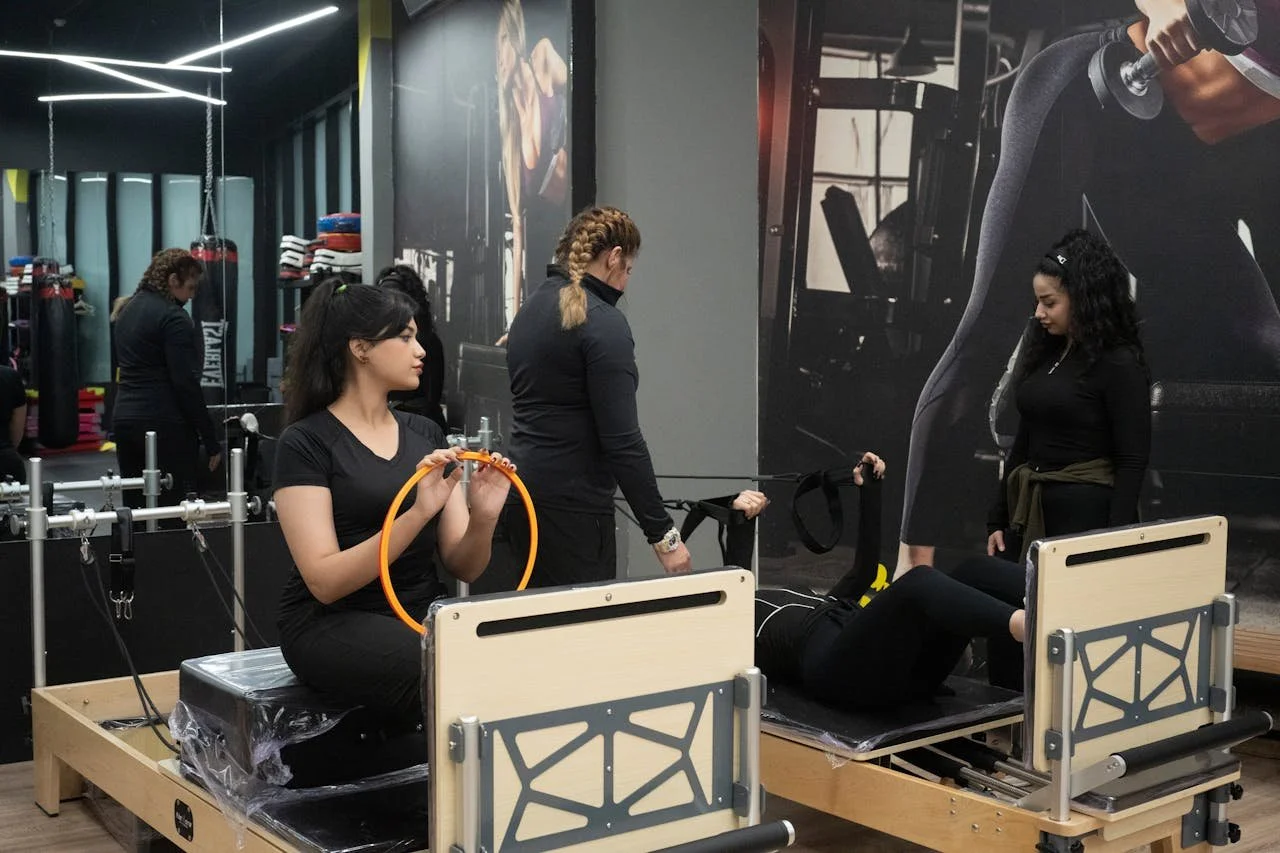
Rent is the single largest cost for a commercial studio. The standard discipline, as outlined in Entrepreneurs Circle's guide to fitness business finance, is keeping rent below projected monthly revenue. In cities like London, the appeal of a well-trafficked street leads owners to overcommit before their client base can support it.
A Leeds or Bristol studio paying £2,500 per month operates very differently to one in South Kensington paying three times that. Both can be profitable, but the London studio needs full classes at premium prices from day one, not month six.
Pricing Per Class: The Maths That Catches New Owners Out
Reformers are fixed assets that take up space. A six-reformer studio running a 45-minute class charges, on average, £18 to £35 per person depending on location. At full capacity, that is £108 to £210 per hour of studio time.
If you charge £22 per class in a studio costing £5,000 per month to run, you need a specific number of weekly classes just to break even. Most new studio owners underestimate this figure significantly. Building a break-even model before signing a lease is not optional.
Memberships vs. Drop-In: The Cash Flow Problem
Studios relying primarily on drop-in pricing have volatile, unpredictable revenue. 54% of studio owners in our survey said their pricing model needs to evolve, which suggests many are still leaving money on the table. Our full 2025 studio trends report breaks down how the most successful studios are structuring their pricing.
A membership anchors client behaviour. A member who has paid upfront will find a way to attend. A drop-in client will cancel the moment life gets busy. According to research from the Fitness Industry Association, member retention is the single biggest driver of profitability in boutique fitness. Memberships are its main mechanism.
The Instructor Shortage: The Real Growth Ceiling
Labour is the second-largest cost and the hardest to manage. A qualified reformer pilates instructor in the UK earns £25 to £45 per hour, depending on experience and location. At the lower end, a studio can build a viable cost structure. At the higher end, especially in London, margin compression is real.
But the deeper issue is availability, not cost. Our survey found:
46% of studio owners identified instructor quality as their biggest challenge
Only 22% were satisfied with both the size and skill level of their team
32% said they did not have enough instructors even though the ones they had were well qualified
Studios that solve this early, often by training their own instructors or partnering with Pilates Foundation-accredited programmes, have a structural advantage over those that permanently scramble to fill rotas.
Secondary Revenue: Small Lines, Meaningful Totals
Grip socks, resistance bands, specialist workshops, corporate wellness packages, pre- and post-natal sessions: none of these transform your P&L individually, but together they can add 10% to 20% to net revenue without adding proportionate costs. Most studios treat these as afterthoughts and leave meaningful money unclaimed.
How Long Until You Turn a Profit?
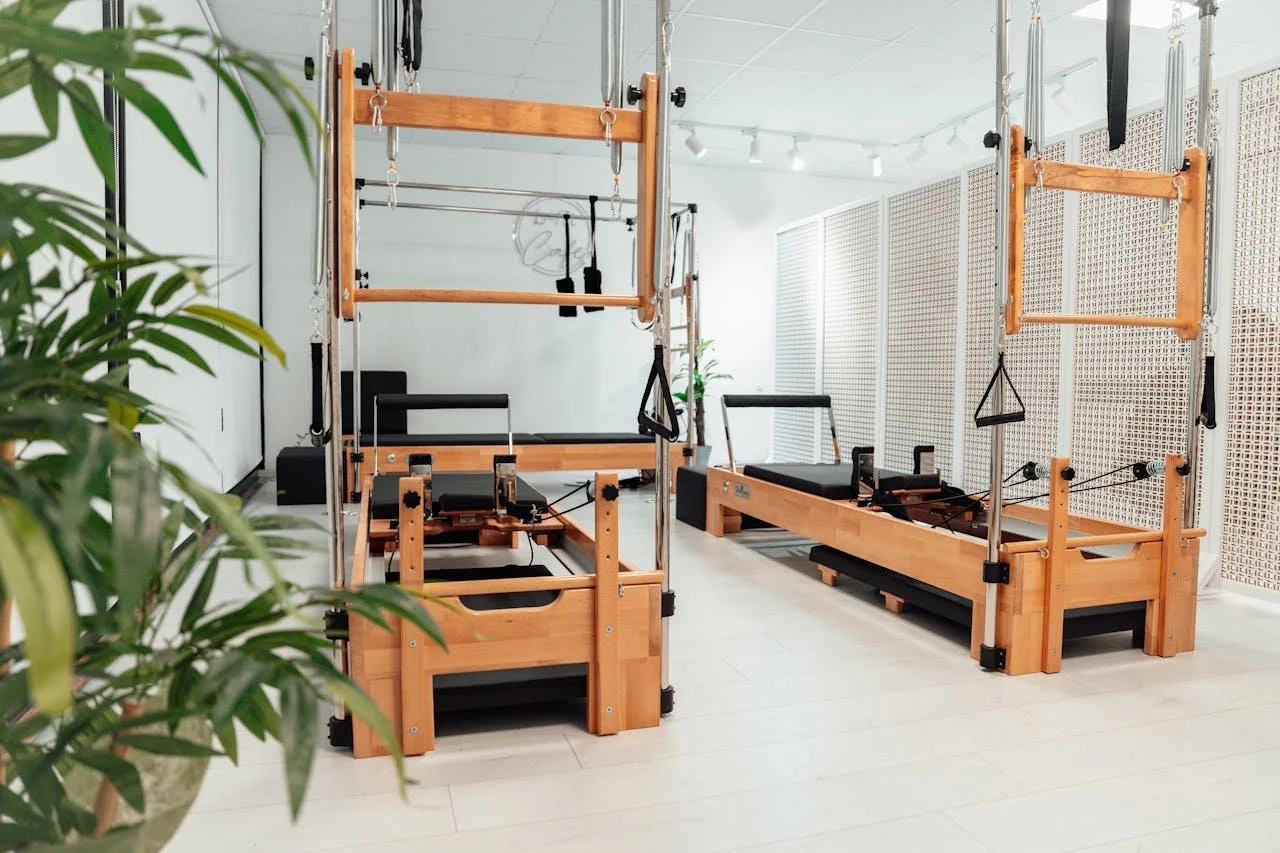
It can vary business to business and also depends highly on the locations and the scale of your setup. However, a general idea is as below:
Months 1 to 3: Rarely profitable. You are building your client base, testing which classes fill, and absorbing setup costs. Enter this period with three to six months of operating costs as a cash reserve. Studios that open undercapitalised tend to discount heavily, which undermines long-term positioning.
Months 4 to 6: You start to see whether the model is working. If classes are still half-empty after four months, the cause is usually one of three things: less foot traffic than anticipated, pricing misaligned with the market, or insufficient marketing activity. Each has a different fix.
Months 7 to 12: A well-run studio typically reaches break-even in this window. High-demand urban areas with strong word-of-mouth can do it earlier.
Year 2 onwards: This is when profit starts to compound. Clients from month one are now members. Instructors have settled. Chaotic first-year processes have become systems. The most common reason studios fail is not poor teaching or a bad location. It is running out of cash during ramp-up because the break-even timeline was not modelled accurately.
What Profitable Studios Do Differently
They treat pricing as a positioning decision. Studios that discount to fill classes train clients to wait for offers. Studios that hold price and compete on quality, community, and instructor calibre retain clients who value the experience consistently. 76% of owners in our survey believed their pricing was fair and was not hurting attendance.
They manage cash flow with precision. Profitable studios forecast monthly, model seasonal fluctuations (January is strong; August is typically soft in UK markets), and track their break-even weekly. Less profitable studios often have the same data available. They just do not act on it consistently.
They solve the instructor problem before it becomes a crisis. The fastest-growing studios develop instructors internally rather than competing in an expensive external market. Career progression within the studio reduces turnover and raises the quality floor.
They invest in community before marketing. 93% of new clients come through word-of-mouth. 64% cite social media as a driver, but social amplifies community rather than replacing it. The studios that grow consistently treat the client experience itself as their primary marketing channel.
Is Opening a Reformer Pilates Studio Worth It?
The income potential is real. A boutique studio run well can generate six-figure turnover and net margins that most fitness businesses do not reach. A home studio with a lean cost base and disciplined pricing can produce stronger margins still.
But the studios at the top of those ranges are not there by accident. They modelled their numbers honestly before signing a lease, built retention systems before they needed them, and treated financial management with the same seriousness as the quality of their teaching.
If you are at the research stage, start there. Use real UK rent costs, real UK instructor wages, and a conservative ramp-up timeline. If the model works under those conditions, the business is worth pursuing.
For the practical next steps, our step-by-step guide to starting a reformer pilates studio covers everything from locationselection to break-even modelling, or book a call with our team to talk through what the numbers look like for your specific situation.
Frequently Asked Questions
Are pilates studios profitable in the UK?
Yes. Boutique reformer studios can achieve net margins up to 20%, outperforming the UK fitness industry benchmark of 5% to 15%. Home studios can reach 10% to 30% due to lower overheads.
How much can a pilates studio owner make?
A well-run boutique studio owner can take home £40,000 to £80,000 per year once the business is established. Home studio operators typically net £3,000 to £25,000 on top of their teaching income.
How much does a pilates instructor earn in the UK?
Qualified reformer instructors typically earn £25 to £45 per hour. Full-time instructors working across multiple studios can earn £25,000 to £45,000 annually.
What is the 10/20/30 rule in pilates?
The 10/20/30 rule in pilates is a teaching principle, not a business metric. It refers to structuring a session across 10 high-effort, 20 moderate-effort, and 30 lower-effort repetitions within a movement sequence to build endurance alongside strength.

Author
KARL KNIGHTS
Leading commercial operations for Reformerpilates.com. A pioneering platform transforming the global Reformer Pilates industry. Our mission is to revolutionise how studios, instructors, and enthusiasts connect, creating a vibrant community and driving business growth in the rapidly expanding wellness market.