How much does it really cost to open a Reformer Pilates studio?
When I look across our feed on Instagram, you could quite easily convince yourself that opening a Reformer Pilates studio requires a six figure fit out, bespoke everything and a set of mirrors that cost more than your first car.
It doesn’t.
We speak with people across the whole spectrum. People with money to invest, instructors ready to take their next step, and people starting with zero capital who want to understand whether there’s a way to make it work.
There can be. Starting without your own capital means finding some level of funding, a business partner or maybe just a smaller way to get going. To get up and running does require some money, but not having a huge pot of cash doesn’t automatically mean the conversation is over.
What matters is understanding what you actually need to get up and running, what can wait and what will make people come back.
The big thing people need to understand is ‘what you put inside the walls makes a much bigger difference than how much you spend decorating them’.
And that means the team comes first.
This message came through in the conversations at our Studio Owner Summit earlier this summer, where industry leaders (Michael King, Nic Lenny, Andre Santaella) spoke about instructor development, client connection and creating a sense of belonging. Building your A team of instructors is even more important and critical to be successful in 2027.
I’d put investing in recruiting top level instructors ahead of £1,000 mirrors every time. But a lot of studios seem to get this the other way around. That’s a big mistake.
So, if you’re working through the costs of opening a studio, here’s where I’d start:
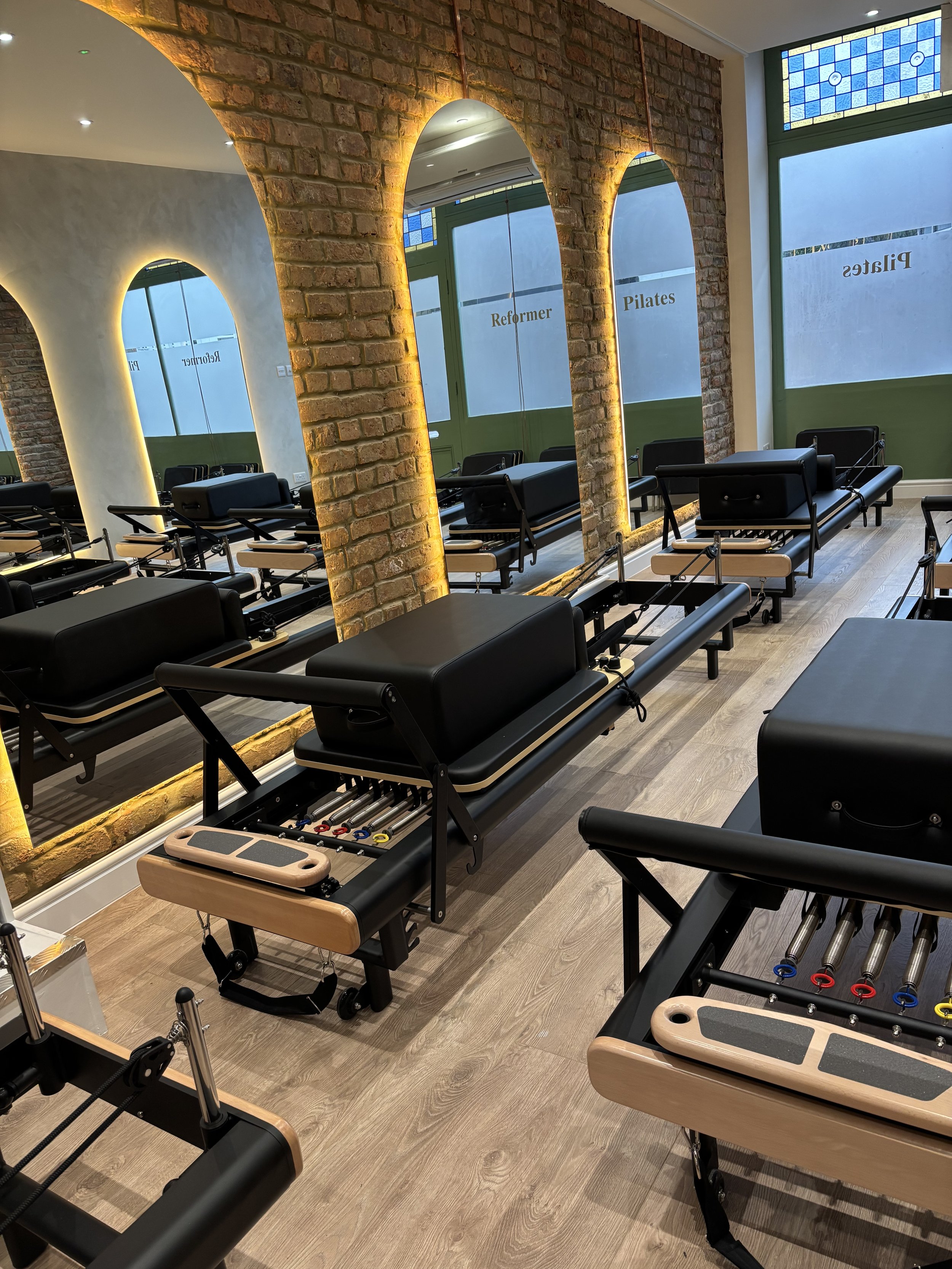
The CoreMaster - Black Edition
1. Studio fit-out. *Keep this tight until you have the spare money to spend
Your studio needs to be safe, clean, welcoming and practical. Good flooring, lighting, ventilation and enough room to teach properly all deserve attention.
You can create a lovely space without buying the most expensive version of everything.
The property you choose makes a huge difference here. Try and find something that is turnkey….with minimal refurbishment needed. A space that needs a small level of decorating is a very different project from an empty shell that needs toilets, electricity and major building work. Get quotes before committing, because a cheaper rent can quickly lose its appeal once you understand the work involved. Trades people today, cost a lot, and don’t be surprised if a ‘simple’ job can run into the thousands.
Spend on what you need to open well. Let the business fund the extras as it grows.
2. Reformers. *Unless you have a lot of capital, I’d explore financing these.
Reformers are central to what you’re offering, so this is a decision worth taking your time over. Think about the teaching you want to deliver, reliability, servicing, warranty and how the equipment feels to use.
Again, unless you have a good amount of capital, my advice would be to explore finance. Keeping money in the business for the first few months will be invaluable.
That’s the subject of the Johnson Reed blog we’ve just published on financing equipment and other studio assets. It looks at what may be eligible, including some fit-out items and technology, depending on the purchase and the lender.
A good point to remember is always to get a complete equipment quote, apples for apples. Delivery, installation, boxes and other accessories all need accounting for.
*We supply some fantastic reformer beds, so when you are ready, we can help you with all of this.
3. Recruitment and instructor development. *Give this it’s own ‘proper’ budget.
This would be high on my list from the beginning.
Think about what you want your studio philosophy and style to be, as this should massively influence your recruitment strategy. There are many different interpretations of Pilates…some wildly different to each other. I would always recommend hiring instructors with accredited qualifications, and maybe pass on those who only have a very ‘basic’ studio certification...you’ll pay a little more for the qualified instructor, but they are more likely to have full classes, so it’s money well spent.
You’ll also need a budget for paid auditions, onboarding, mentoring and ongoing training, as well as what you’ll pay people to teach. You also need cover when someone is ill or away.
If you’re teaching most of the classes yourself, put your own time into the numbers too. Elle Kealy reinforced this during the summit, it’s so important to ensure you have a budget to pay yourself...if you don’t have this in the plan, your studio will turn into an expensive hobby!
A great instructor helps someone feel comfortable on their first visit, remembers what they’re working towards and gives them a reason to book again. Don’t underplay how important this part is.
4. Marketing. *This can be a moving feast, but have a dedicated budget for it, it’s not just a nice to have
You can spend very little. You can also spend a lot without getting very far. Unfortunately nothing else in your business will feel so much out of control as marketing activity and spend.
So, to reduce wastage, start with the basics: a clear message, a decent website, an easy booking journey and then build a plan to reach people in your local area.
Give yourself time to build interest before you open. We recommend at least 3 months in advance.
Your launch budget will be significantly bigger than your ongoing marketing budget. Then track what turns into paid bookings and repeat visits. A busy Instagram account doesn’t tell you whether the studio is making money.
5. Lease and legal costs. *Look beyond the monthly rent.
Include the deposit, rent payable in advance, any service charge and the cost of having the lease reviewed properly.
Understand what you’re responsible for maintaining, what alterations are allowed and what you may have to put right when you leave. Check that the premises can be used for your intended business.
These decisions can affect your costs for years. Give them the attention they deserve before signing.
6. Utilities and business rates. *Get the actual figures (don’t take people’s word for it)
Electricity, heating, water, broadband and waste collection all belong in the monthly budget.
Check business rates for the specific premises and confirm whether any relief applies. Don’t build your plan around what another studio pays or an assumption that you won’t have a bill.
7. Accounting and business administration. *Start properly, find someone good to work with.
Budget for a good accountant, bookkeeping and payroll support where needed. Don’t go with the cheapest option, you need someone who will help guide you through this area in the first couple of years.
Get help understanding tax, VAT and how you’ll pay yourself before you settle on your pricing. It’s much easier to make sensible decisions when you know how much of each sale is actually available to run the business.
8. Insurance, software and the everyday essentials.*Include everything, in 2027 this can add up to be a significant spend across the year
Insurance, booking software, payment processing fees, cleaning, equipment maintenance and any relevant music licences all need a place in the budget.
Then there are the smaller purchases: props, storage, cleaning products and the things you only seem to remember when you’re about to open.
Individually, some of these look insignificant. Add them together and they become a proper monthly cost.
9. Working capital and a contingency. *Sh*t happens when running a business. Leave yourself some breathing room.
You need money available after opening day.
Rent, instructors and finance payments still need paying while you build your client base. Allow for a slower start, unexpected work and a possible delay to opening. Include your own living costs somewhere in the plan too.
It’s much better for someone to open a simpler studio with plenty of money left in the bank than spend everything getting the studio perfect.
So, does it stack up?
The way to answer that is to price your own version of the studio. Your location, premises, equipment, team and timetable will determine the numbers.
Separate the total cost of setting up from the cash you need upfront and the bills you’ll have each month.
Then work out how many paid visits you need to cover those bills, using what clients will actually pay through memberships and class packs. Test quieter months as well as the timetable you hope to fill.
If the numbers only work when every reformer is occupied, keep working on the plan.
Our Guide to Opening a Reformer Pilates Studio is a useful place to start thinking through the wider project. It’ll give you the detail you need to fully map out what is required to open a studio, and there are templates where you can drop in your own numbers for all of the above and see how it stacks up.
When you read of of the areas, you might think that’s all going to cost a fortune…but it really doesn’t have to be that way. Perfection is the enemy of good. You don’t need to build the finished version of your dream studio on day one. Create somewhere people feel welcome and enjoy their hour with you, then you’re in the right place.
The expensive mirrors can come later.
If you’re thinking about opening and want to talk through your own plans and what’s realistic for your budget, drop us a message. We have these conversations with people at every stage, and we’re always happy to help.
30 Blogs in 30 Days
Throughout October, we’re sharing one new blog every day, bringing together studio owners, instructors and industry experts to share their experiences, knowledge and perspectives on the Pilates industry.
Day 4 of 30, come back tomorrow for the next blog.