There are a lot of reasons someone walks into a Pilates class for the first time. Maybe they want to get stronger, improve their posture, try something new, recover from an injury, or simply carve out an hour for themselves.
But what makes them come back to the same instructor?
It’s not always the hardest class. It’s not necessarily the instructor who knows the most exercises or creates the most complicated sequences. And it definitely isn’t about reinventing the wheel every single time.
More often than not, clients come back because of how they feel when they’re in your class. They feel seen, they feel comfortable, they feel challenged without feeling defeated, they feel like they’re learning something, they feel like the instructor knows them, notices their progress, and genuinely wants them to succeed.
As instructors, we can sometimes get caught up in making every class “new” or trying to come up with the next crazy sequence. But teaching a memorable class is less about constantly creating something completely different and more about creating an experience that clients want to repeat.
Here are 6 reasons that make clients keep coming back to your class.
1. Personality & Connection: Make Your Clients Feel Seen
This might be one of the most important pieces of the puzzle, because people will always remember how you make them feel.
Your class might be beautifully programmed, your cueing might be technically perfect, and your playlist might be amazing, but if a client walks out feeling like they were just another person in the room, they may not feel a strong reason to come back specifically to your class.
Personality doesn’t mean you have to be the loudest, funniest, or most energetic instructor in the studio. It means being yourself and allowing your personality to shine before class, during class through your teaching, and after class.
What are easy ways to build connections with clients? Think about connection as something that happens throughout the entire client experience. You do not need to become best friends with every client, but remembering the little things makes people feel valued.
Before class: Make people feel welcomed and comfortable. During class: Make them feel supported, challenged, and understood. After class: Make them feel like their experience mattered.
● Say hello when clients walk in or ask how their day is going.
● Learn their names or connect with them on social media.
● Notice when someone has been away for a few weeks.
● Celebrate when someone finally nails a movement they’ve been working toward.
● Remember that someone mentioned they were going on vacation.
● Ask how their race, wedding, vacation, new job, or whatever they were excited about went.
● Ask how they are feeling after class or encourage them to book another class with you or another instructor.
Sometimes clients want to chat. Sometimes they want to quietly come in, move their body, and leave. Being able to read the room and meet your clients where they are is part of being a great instructor.
2. Thoughtful Class Planning: Fresh Without Constantly Reinventing
One of the biggest misconceptions in group fitness is that every class needs to be completely different. In reality, constantly trying to invent brand-new exercises can sometimes make a class less effective.
Clients need repetition, they need to practice movements, they need to understand what something is supposed to feel like, and they need to see progress.mThe goal isn’t to make every class completely new, the goal is to make it feel fresh, intentional, and appropriate for the people standing in front of you.
You can use exercises your clients already know while changing the experience through:
● Switching up props
● Implement tempos: holds, pulses, layers
● Offer multiple spring options
● Different modifications and/or progressions
You don't need 50 new exercises. You need to know how to teach the 50 exercises you already have and tailor it to the group in front of you. This is where preparation and adaptability come together; walk into the room with a plan, but don't be so attached to it that you ignore the people actually taking your class.
Maybe your plan has a ton of plank work, but you notice the majority of the class is struggling with wrist discomfort, or maybe you planned something very advanced, but the group needs more time to establish the foundation.
Whether you have a room full of regulars who are ready to be challenged, or you have several first-time clients, the class should feel right to the people in front of you. That doesn't mean abandoning your programming, it means being able to adapt.
A great instructor isn't just reading a class plan. They're observing, listening, and adjusting.
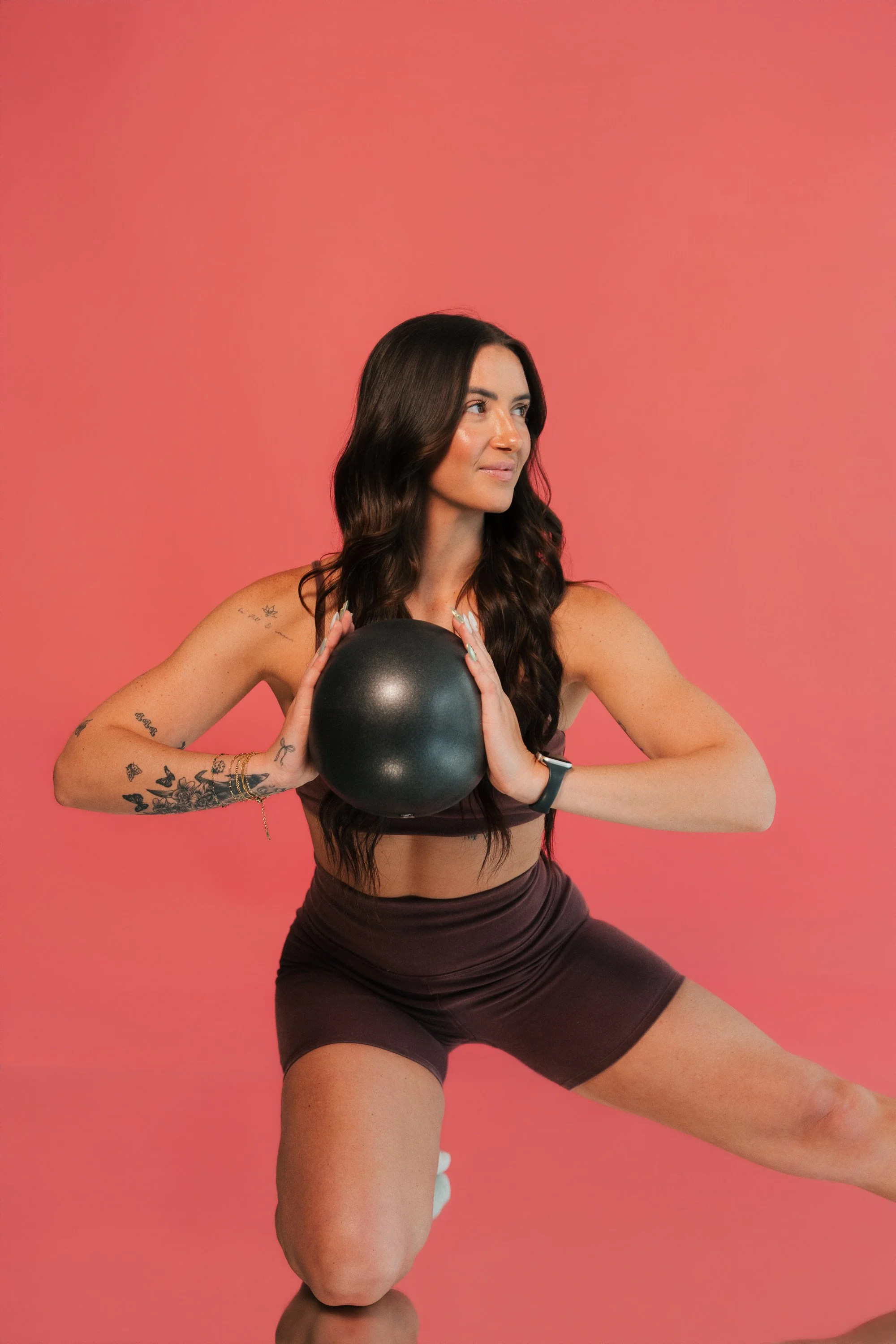
@nikki.corcoran on Instagram
3. Give Clients Options: Modifications, Amplifications & Individual Attention
One of the easiest ways to make a group class feel personal is by giving clients options. Not everyone in the room has the same body, experience, strength, mobility, or goals.
Instead of teaching one version of an exercise and leaving everyone else to figure it out, give them choices. Encourage them to listen to their body and modify and amplify as needed.
This allows everyone to feel successful without making anyone feel singled out. This is also where individual observation comes in. A client might need a different setup, a different spring, a reminder about their alignment, or simply a little encouragement.
When clients feel like you're actually watching them rather than teaching to the room as a whole, the experience becomes much more personal.
4. Educate While You Teach and Never Stop Learning
Clients choose the pilates practice not just because they want to work out. When a client understands what they're supposed to feel, why they're doing something, and what they're supposed to focus on, they're much more likely to connect with the movement.
One of the biggest opportunities instructors have is to educate while they teach. Instead of only telling clients how to perform an exercise, maybe you sprinkle in the why and where behind it.
Instead of counting down from 10 every time, maybe count from four and use those extra seconds to explain something useful:
● Where should they feel it?
● Why are they doing it?
● What should they be focusing on?
● What Pilates principle are they applying?
Over time, these little moments add up. Your clients aren't just getting stronger, they're becoming more knowledgeable about their bodies.
For example:
● “Think about pressing through the heel so you can really recruit the glute.”
● “Your standing leg is working to stabilise the pelvis while your moving leg creates the balance challenge.”
● “Keep the pelvis square so we're not compensating through the low back.”
These quick explanations turn instruction into education, which builds your clients confidence. Being an instructor doesn't mean you've finished learning; continuing education is part of good teaching. The best instructors continue to be students. They practice their own classes, while taking other instructors' classes. They attend workshops and complete additional training.
Continuing education doesn’t always have to be just about collecting certifications. It's about becoming a better student of movement and a better teacher of people. Continuously explore new equipment, new teaching methods, and stay open-minded.
Recognising cueing improves through repetition, sequencing improves through practice, and your confidence grows through experience.
5. Consistency, Confidence & Creating an Environment People Want to Return To
Clients like knowing what they're going to get when they come to your class. If you're known for clear cueing, intentional programming, great music, and a welcoming personality, clients begin to trust that they'll get that experience every time they see your name on the schedule.
That doesn't mean every class should be identical. It means your teaching quality should be consistent because consistency creates familiarity, familiarity creates comfort, and comfort makes people want to come back.
That consistency also comes from confidence. Clients want to feel like their instructor knows what they're doing. That confidence comes from preparation, knowledge, experience, and practice.
You don't have to prove how advanced you are. You don't have to make every exercise as hard as possible. You don't have to show clients how many difficult movements you know. Your job is to make them feel successful, not enhance your personal ego.
Create an environment where people want to be is just as important as the workout itself. People want to walk into a studio and feel like they belong. The best classes can and should feel both challenging and welcoming. Make sure you’re creating a space where people feel comfortable making mistakes, taking modifications, while also being able to challenge themselves, have fun, laugh. You can push people while still making them feel supported. And your energy plays a huge role in that.
If you walk into class stressed, distracted, or completely checked out, clients can feel it. That doesn't mean you need to fake being overly enthusiastic every single day. It means being present. Put your phone away. Make eye contact. Be engaged. Know what you're teaching. Be excited about the movement. Let your personality come through.
Clients don't need you to be perfect. They just need you to be there.
6. Recognize Progress & Challenge Clients Without Defeating Them
One of the best feelings for a client is realizing they're getting better. As instructors, we're in a unique position to notice that. Maybe someone used to modify a plank and now they're doing the full version. Maybe someone's balance has improved, or their range of motion has increased. Maybe they're finally able to feel the movement in the intended muscle group. Tell them!
Clients don't always notice their own progress. Sometimes they need someone else to point it out. And these comments can mean more than you realize. At the same time, clients want to feel challenged. But there's a difference between a hard class and a good class. A client should leave feeling like they accomplished something. That doesn't necessarily mean they should barely be able to walk out of the studio.
Challenge can come from:
● Strength
● Endurance
● Stability
● Balance
● Mobility
● Precision
● Tempo
● Control
● Mental focus
● Range of motion
Sometimes the most challenging thing you can ask someone to do is slow down and actually control the movement. Don't measure the success of your class by how exhausted everyone looks at the end. Measure it by whether they moved well, learned something, challenged themselves, and left feeling accomplished.
The goal isn't to make clients think, “That was brutal.”
The goal is for them to think: “That was challenging, I learned something, and I feel good.”
30 Blogs in 30 Days
Throughout October, we’re sharing one new blog every day, bringing together studio owners, instructors and industry experts to share their experiences, knowledge and perspectives on the Pilates industry.
Day 12 of 30, come back tomorrow for the next blog.